


Choosing running shoes in the UAE starts with how and where you train. Heat, hard pavements, treadmills, and occasional trails can create different footwear needs. A comfortable fit should come before brand, colour, or current trends.
For most UAE runners, start with a comfortable daily trainer that fits securely and breathes well. Match cushioning and grip to your usual surface, mileage, and pace. Before comparing brands or discounts, check toe room, heel hold, width, return terms, and intended use.
Running Footwear at a Glance
| Type | Best suited to | Main features to compare | Main trade-off |
|---|---|---|---|
| Daily trainer | Regular road and treadmill sessions | Balanced cushioning, comfort, durability | May lack specialised race performance |
| Maximum-cushion trainer | Easy runs and longer distances | Softer ride, thicker midsole, comfort | Usually heavier |
| Lightweight trainer | Faster workouts and shorter sessions | Lower weight, responsive feel | May offer less cushioning |
| Stability trainer | Runners wanting extra guidance | Supportive geometry, secure platform | Can feel different from neutral footwear |
| Trail shoe | Gravel, sand tracks, and uneven paths | Grip, protection, secure upper | Less suitable for regular pavement |
| Racing shoe | Events and faster sessions | Low weight, responsive construction | Higher price and specialised use |
Current UAE retailers separate footwear by road, trail, training, gender, support, and performance use. That variety makes purpose a better starting point than choosing one fashionable model. Major UAE stores also list options across wide price ranges and training categories.
How to Choose Running Shoes for UAE Conditions
Start by identifying where you do most of your weekly training. Road runners usually need dependable cushioning, secure fit, and an outsole designed for firm surfaces. Treadmill users can often choose similar road-oriented trainers because the movement requirements are comparable.
Trail use creates different demands from city pavement. Uneven surfaces benefit from stronger traction and more protection around the foot. A specialised trail design may feel unnecessary when most sessions happen on smooth roads.
The UAE climate adds another practical consideration. Breathable uppers can feel more comfortable during warm outdoor sessions. WearMart’s UAE footwear guide also covers breathability, cushioning, durability, and fit for local conditions.
Decide What the Pair Will Do Most Often
A daily trainer is the safest starting category for many recreational runners. It usually balances cushioning, weight, comfort, and durability for regular sessions. Current buying guides also recommend starting with intended use before comparing technical specifications.
Faster runners may eventually add a lighter pair for intervals or race preparation. Long-distance runners may prefer extra cushioning for slower, extended sessions. One shoe doesn’t need to do every job equally well.
Your training schedule should guide how specialised you go. Someone running a few relaxed kilometres each week has different needs from a marathon trainee. Buying around your routine can keep you from paying for features you rarely use.
Fit Matters More Than the Logo
A shoe should hold your heel without painful pressure or repeated slipping. Your toes need enough space to move naturally. The midfoot should also feel secure without squeezing the sides.
Several current fitting guides suggest leaving useful space ahead of the toes. They also recommend checking heel security and overall comfort before buying. Because brands differ, your usual casual size should remain only a starting point.
Foot width deserves equal attention. A technically impressive trainer can still feel uncomfortable if its shape doesn’t match your foot. Wide and narrow options can be more useful than changing to an unsuitable larger size.
If you order online, carefully compare the retailer’s size chart. Review exchange conditions before trying an unfamiliar brand or model. Easy returns matter because fit cannot always be judged from photographs.
Compare Cushioning, Support, and Shoe Feel
Cushioning changes how the ground feels underfoot. Some runners prefer a soft, protective sensation during easy sessions. Others favour firmer footwear that provides more direct feedback from the ground.
More cushioning doesn’t automatically make a design better. Your comfort, distance, pace, and previous experience should guide the choice. Trying several options can reveal preferences that specifications alone cannot predict.
Support is another area where marketing terms can become confusing. Neutral and stability categories use different construction approaches to create their intended ride. Choose the option that feels secure and comfortable rather than assuming one category suits everyone.
Large changes in footwear design should also be introduced gradually. A major change in heel-to-toe drop can alter how a shoe feels during training. Current specialist guidance recommends allowing time to adjust when switching to noticeably different footwear.
Road, Treadmill, or Trail: Which Type Should You Buy?
Road trainers make sense for most urban UAE runners. They are designed around firm, relatively even surfaces and regular forward movement. Many models can also work comfortably for treadmill sessions.
Treadmills provide a predictable surface without stones, loose ground, or sharp direction changes. That means dedicated trail traction usually provides little benefit indoors. Many conventional road models work well on both treadmills and pavement.
Trail footwear becomes useful when the route includes loose or uneven terrain. Deeper outsole patterns can improve traction, while reinforced uppers may provide extra protection. Those features can add weight and feel less natural on ordinary pavement.
Our Practical Verdict
For most UAE shoppers buying one pair, choose a versatile daily road trainer first. Prioritise immediate comfort, suitable width, breathable construction, and dependable grip. Add specialist footwear later when your training clearly demands it.
Choose maximum cushioning when comfort matters most during longer, easier sessions. Consider lighter performance footwear when speed work becomes a regular part of training. Pick trail-specific footwear when off-road surfaces form a meaningful share of your weekly distance.
This approach keeps your purchase tied to how you’ll actually use it. It also keeps you from paying extra for technical features that don’t improve your regular training. The strongest choice is the pair that fits your body and routine.
Think About UAE Heat and Everyday Comfort
Outdoor exercise in the UAE should prioritize ventilation and moisture management. Lightweight mesh constructions are common across current performance collections. Breathability can become especially valuable during warmer training periods.
Clothing choices can also affect comfort during these sessions. WearMart’s T-shirt buying guide explains differences between cotton and faster-drying performance fabrics. Matching footwear and clothing to activity can make a training kit more practical.
Sun exposure also matters during daytime outdoor exercise. WearMart’s sunglasses guide covers sport-frame fit, coverage, and UV considerations. A secure frame can be more useful than a fashion-first design during active movement.
How Much Should You Spend?
UAE footwear prices vary considerably by brand, technology, model age, and intended purpose. Current local listings stretch from accessible daily options to premium performance models costing substantially more. A higher price does not guarantee a better fit for your foot.
Start with the category you need, then compare products within your budget. Previous-generation models can sometimes offer attractive value after newer versions arrive. Check construction, fit, return conditions, and intended use before focusing on the discount percentage.
WearMart’s guide to finding better fashion deals online covers broader price-comparison habits for UAE shoppers. Compare the final checkout cost, not just the headline discount. Delivery charges and return conditions can change the real value.
Common Buying Mistakes to Avoid
Buying based solely on appearance is a common mistake. A stylish pair still needs to match your foot shape and what you plan to do. Comfort problems rarely disappear because a colourway looks attractive.
Choosing excessive technology for basic training can also waste money. A recreational runner may benefit more from a dependable daily trainer than specialised race equipment. Match features to sessions you perform regularly.
Don’t assume one size feels identical across brands. Shoe shape, width, upper construction, and internal volume can change the fit. Review model-specific sizing information when available.
Finally, don’t keep worn footwear just because the upper still looks clean. Cushioning and outsole performance can change before a pair appears damaged. Replace footwear when wear or changed ride quality begins affecting comfort.
When Should You Replace Your Pair?
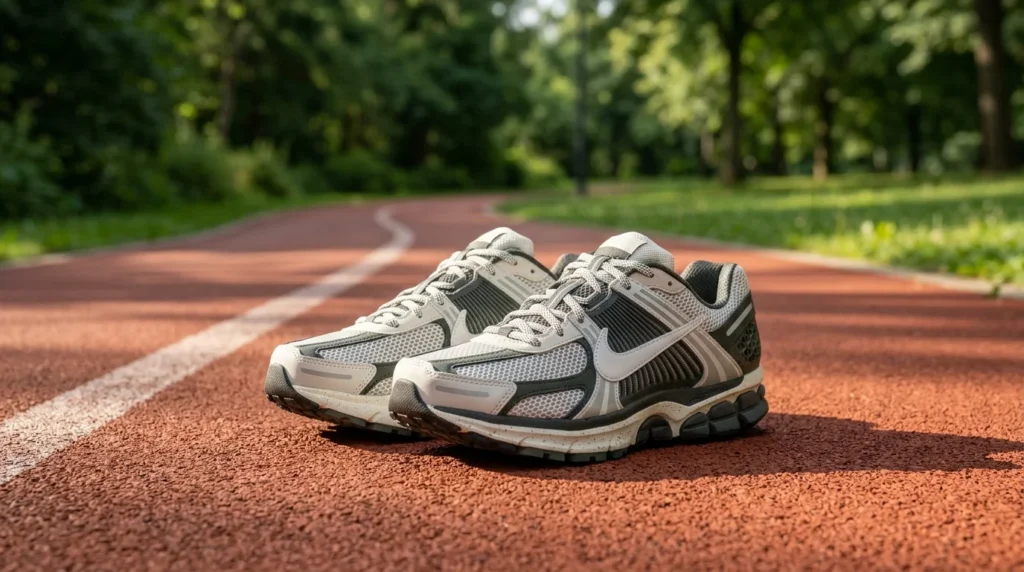
No universal replacement date fits every runner. Mileage, body weight, surface, gait, shoe construction, and rotation habits affect wear. Inspect the outsole and watch for changes in cushioning or comfort.
Some current running guidance uses roughly 300 to 500 miles as a broad reference range. That’s about 480 to 800 kilometres. Condition and feel should still guide the final decision, not mileage alone.
Uneven outsole wear, compressed cushioning, or new discomfort can signal it’s time to replace them. When it’s hard to judge, compare an older pair with a newer one. A training log can also help you track approximate distance.
FAQ
What are the best running shoes for beginners in the UAE?
No single model fits every beginner. A versatile daily trainer with comfortable cushioning and secure fit is a sensible starting category. Choose the pair that feels stable and comfortable during your normal training.
Are road trainers suitable for treadmills?
Yes, many road-oriented trainers work well on the treadmill. Treadmills do not require the aggressive traction used on technical trails. Fit, comfort, cushioning, and ventilation remain more useful selection factors.
Should UAE runners choose breathable mesh uppers?
Breathable materials can improve comfort during warm outdoor exercise. They may help air move around the foot during training. Construction quality and fit still matter alongside ventilation.
Do I need stability footwear?
Not every runner needs a stability design. Choose support based on comfort, previous experience, and professional advice when relevant. Do not select a category only because a marketing label sounds safer.
Can I use the same pair for walking and training?
Many daily trainers can work for casual walking and regular exercise. Your chosen model should still feel comfortable during both activities. Dedicated specialist footwear becomes more useful when the activities have substantially different demands.
Make Your Next Pair a Better Match
Start with purpose, surface, and fit before comparing brands. Then assess cushioning, width, breathability, support, grip, and price. This order makes shopping decisions easier and more relevant to your training.
UAE runners can choose from everything from accessible daily trainers to specialised race footwear. The most expensive option isn’t automatically the most suitable. Let your regular routine decide which features deserve your money.
Before ordering running shoes, carefully compare the size guide and return policy. Review how the pair matches your most common training surface. Choose comfort you can feel rather than technology you may never use.