

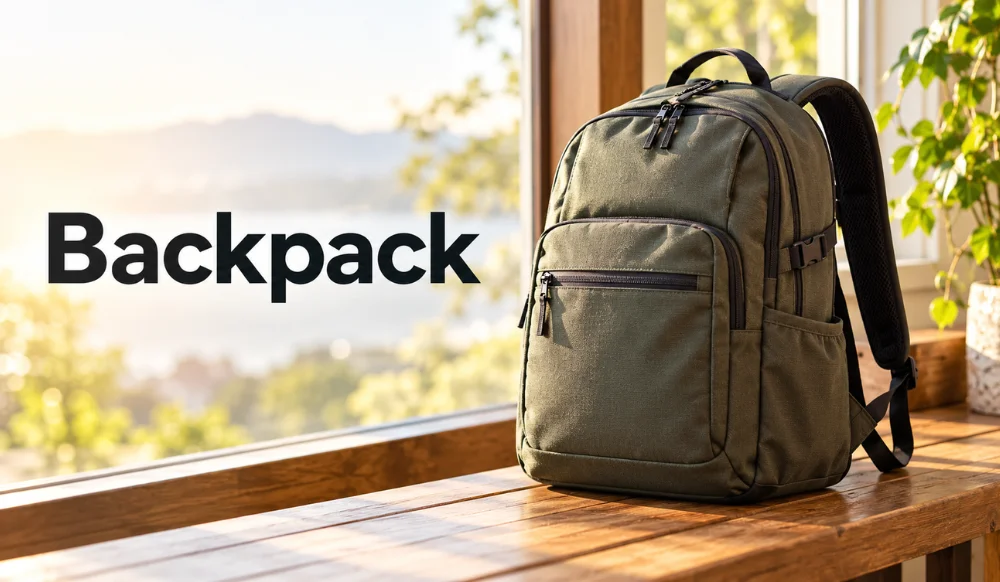
A good backpack should fit your routine before it fits your style. UAE shoppers may need one bag for commuting, classes, flights, shopping, or weekend plans. The right choice depends on capacity, comfort, organization, materials, and what you usually carry. You might also like Luggage in the UAE.
Direct answer: Start with the bag’s main use, then compare capacity, fit, compartments, materials, and empty weight. Daily users usually benefit from compact organization and comfortable straps. Travellers should also check airline dimensions, secure closures, and access. Students and professionals should confirm laptop measurements before ordering.
| Buying factor | Why it matters |
|---|---|
| Main use | Determines the right size, layout, and support |
| Capacity | Controls how much you can carry without unnecessary bulk |
| Shoulder straps | Affect comfort during commuting and longer walks |
| Back panel | Can improve support and airflow |
| Laptop storage | Protects devices and keeps their weight close to your back |
| Material | Influences weight, cleaning, structure, and durability |
| Compartments | Help separate electronics, bottles, documents, and small items. |
| Empty weight | Changes how heavy the total load feels |
| Dimensions | Matter for laptops, storage spaces, and airline baggage rules |
| Closure | Affects security and access in busy areas |
How to Choose a Backpack for Your UAE Routine
Start by deciding where you will use the bag most often. A university student has different needs than an office commuter or frequent traveler. Buying for your normal week usually works better than buying for rare situations.
Lay out the items you carry on a typical day. Include your laptop, charger, bottle, notebook, sunglasses, keys, and other regular essentials. This gives you a more realistic capacity target than product photographs alone. Don’t choose the largest option just because it offers more space.
Extra room can encourage unnecessary packing and make the bag bulkier. A smaller design that fits your normal load can feel easier to carry.
Compare the Main Types Before You Buy
Different designs solve different carrying problems. A compact daypack may suit short errands, while a structured laptop style can suit work. Travel-focused models offer more packing space but may feel oversized for everyday commutes.
Use the comparison below to narrow your choice before comparing colors or brands. The suggested capacities are broad shopping ranges rather than strict rules. Always check the actual dimensions supplied for the specific model.
| Type | Good for | Useful size range | Main advantages | Trade-offs |
|---|---|---|---|---|
| Compact daypack | Errands, cafés, light commuting | 10–20L | Light, easy to store, simple | Limited space |
| Everyday commuter | Work, university, daily travel | 18–30 L | Balanced storage and portability | Can become heavy when overfilled |
| Laptop style | Office, study, business travel | 20–30L | Device protection and organization | Padding adds weight. |
| Gym style | Fitness and mixed daily use | 20–35L | Space for clothing and accessories | May be bulky for light use |
| Travel pack | Flights and short trips | 25–40L | Larger opening and packing space | Airline limits vary. |
| Hiking design | Outdoor walks and longer trips | Varies by activity | Support, adjustment, technical storage | More features than daily users need |
Recommendation: For general UAE use, a medium everyday or laptop-ready design offers the broadest flexibility. Choose a specialized travel or hiking model only when those activities are a regular part of your routine. The most useful option is the smallest one that comfortably handles your normal load.
1. Choose Capacity Around What You Carry
Capacity is usually shown in liters, but liters do not tell the whole story. Two bags with similar capacities may have completely different shapes and openings. Internal dividers can also reduce the usable space for bulky items.
Daily commuters often need less room than weekend travelers. Students may require space for books, electronics, lunch, and personal items. Gather your regular belongings before shopping and use them as your reference. Check width, height, and depth alongside the stated capacity.
Measurements are especially useful when ordering online because photos can distort scale. Compare those measurements with a bag you already know.
2. Check Comfort Before Decorative Features
Wide, padded shoulder straps can spread pressure more comfortably than narrow straps. Adjustable straps also help position the load closer to your body. A padded back panel can improve comfort when hard objects sit inside. The empty weight matters more than many buyers expect.
Heavy materials, decorative hardware, and extra compartments add weight before you pack anything. That difference becomes more noticeable during long walks or Metro commutes. Look at the back shape and the straps. Ventilated or channelled panels may feel more comfortable during warm outdoor journeys. Comfort should remain a priority even when most of your day is spent indoors.
3. Confirm Your Laptop Fits Properly
Do not rely only on labels such as “15-inch laptop compatible.” Computers with the same advertised screen size can have different body dimensions. Check your device measurements against the compartment specifications before ordering.
A dedicated sleeve should hold the device without forcing the zip or fabric. Padding can reduce movement and separate electronics from bottles or hard accessories. Positioning the computer near your back can also keep the load more stable.
Think about accessories at the same time. Chargers, headphones, a mouse, cables, and a power bank can take up considerable extra space. Small internal pockets can keep those items from collecting at the bottom.
4. Match the Material to UAE Daily Use
Polyester and nylon are common choices because they can combine low weight with practical everyday durability. Construction quality still varies greatly between products. Check the stitching, zips, lining, strap attachment, and base instead of judging material names alone.
Canvas can suit casual wardrobes and light daily carrying. Structured synthetic or leather-look styles may coordinate better with office clothing. Heavier construction can look polished but may become less comfortable when you carry electronics.
Water resistance can be useful for travel, outdoor activities, and accidental spills. It should not automatically be treated as full waterproofing. Read the maker’s care and protection claims carefully before exposing the bag to rain.
5. Look for an Organization That Matches Your Items
More pockets do not automatically create better organization. The best layout matches what you reach for during your day. Too many small sections can reduce flexible packing space. A bottle pocket is useful when you carry water regularly. Quick-access sections can hold keys, transport cards, earbuds, or sunglasses. A zipped inner pocket can separate smaller valuables from the main compartment.
If you prefer one open compartment, removable pouches can provide flexible organization. WearMart’s tote bag buying guide uses a similar routine-first approach for comparing storage and carrying styles. That same principle works well when assessing backpacks.
6. Check Travel Dimensions Before Flying
Travellers should compare external dimensions rather than assuming a certain litre capacity qualifies for cabin use. Airline baggage rules can differ by carrier, route, fare, and cabin class. Check your airline’s current rules before each trip.
A bag can also become larger after you pack it. Bulging front pockets and overfilled compartments may increase its external measurements. Compression straps can help control the shape on some travel-focused designs.
Consider how you prefer to pack. Wide or clamshell openings can make it easier to arrange clothing on short trips. Traditional top openings may feel simpler for daily access and lighter loads.
7. Compare the Full Buying Conditions Online
Price matters, but it shouldn’t be the only factor. Review material, measurements, warranty information, delivery costs, and return conditions together. A cheaper product offers little value if the specifications do not match your routine.
WearMart’s guide to online shopping platforms in the UAE can help when comparing where products are sold. Its advice on building buyer confidence online also highlights the value of clear specifications and return information. Detailed listings make comparison easier before payment.
Cross-border orders may introduce extra considerations for some purchases. WearMart’s overview of VAT and customs for UAE online shopping explains these broader factors. Check the final delivered cost rather than comparing the product price alone.
Common Buying Mistakes to Avoid
The first mistake is choosing mainly from photographs. Attractive styling cannot compensate for uncomfortable straps, poor dimensions, or unsuitable organization. Always read the technical details before deciding. The second mistake is buying too much capacity. Extra space sounds useful but can increase bulk and encourage unnecessary carrying.
Base your decision on the items you use most weeks. The third mistake is ignoring empty weight. A heavy design becomes much heavier once you add electronics and water. Compare weight whenever manufacturers or retailers provide it.
The fourth mistake is assuming every laptop label guarantees compatibility. Measure the device instead of trusting a screen-size category alone. This simple check can prevent a frustrating return.
Pros and Cons by Use Case
Different buyers should accept different compromises. A student may value organization more than a light traveler does. An office commuter may prefer structure, even if it adds weight.
| Use case | Pros to prioritize | Common compromises |
|---|---|---|
| School or university | Compartments, comfort, bottle storage | Books can create heavy loads |
| Office | Laptop protection, clean styling, quick access | Structured designs may weigh more |
| Gym | Space, washable surfaces, separate storage | Extra sections increase bulk |
| Travel | Wide opening, security, efficient packing | Larger dimensions need checking |
| Everyday errands | Low weight, easy access, compact shape | Less capacity for changing plans |
Choose the compromise you will notice least during regular use. No universal winner for every buyer. A feature only adds value when it solves a problem you genuinely have.
Care Tips for Longer Everyday Use
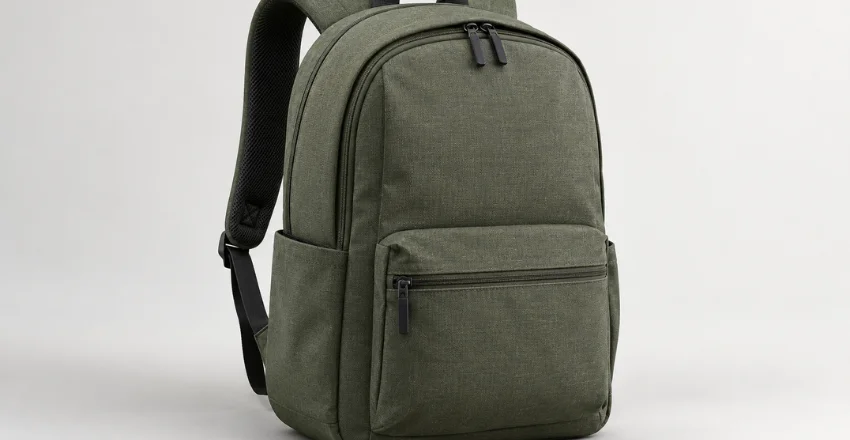
Empty unnecessary items regularly to reduce constant strain on seams and straps. Keep liquids securely closed in the main compartment. Cleaning small marks early can also prevent them from becoming harder to remove. Follow the manufacturer’s cleaning instructions for the material. Machine washing can damage padding, coatings, structure, or hardware on products not designed for it.
Spot cleaning is often the safer choice when the label recommends it. Store the bag dry and avoid crushing structured sections for long periods. Check the zip tracks and strap stitching occasionally. Small maintenance habits can keep frequently used bags presentable for longer.
Verdict: Which Type Should Most UAE Shoppers Choose?
Most shoppers should begin with a medium everyday design rather than a specialised model. Look for comfortable adjustable straps, sensible organization, low empty weight, and enough space for your regular belongings. Add a padded device sleeve if you frequently carry electronics.
Students can prioritise compartment space and comfort, while professionals may prefer structure and laptop protection. Travellers should focus more closely on dimensions, access, and current airline rules. Outdoor users should choose fit and carrying support before fashion details.
Before buying, shortlist two or three options and compare them using the table above. Check measurements against your belongings rather than relying on pictures. Then choose the design that solves your normal carrying needs with the least unnecessary bulk.
Frequently Asked Questions
What size backpack is best for everyday use in the UAE?
Many daily users are well served by a compact or medium design around the broad 18–30L range. Your normal belongings matter more than a single recommended capacity. Measure large items and compare external dimensions before ordering.
Are padded shoulder straps worth having?
Padded straps can improve comfort when you regularly carry heavier belongings. Strap width, adjustment, and bag position also affect how a load feels. Padding alone cannot compensate for an overloaded or badly fitting design.
Which material works well for daily use?
Nylon and polyester can be practical because many designs are lightweight and easy to maintain. Canvas may suit lighter casual routines, while structured materials may suit office use. Construction quality matters as much as the material name.
What should I look for in a laptop bag?
Check the actual sleeve dimensions, padding, closure, and surrounding organization. Make sure your charger and accessories also have suitable storage. The bag should still feel comfortable once the computer is inside.
Can I use the same bag for work and travel?
Yes, if its capacity, organization, and dimensions suit both purposes. A medium design with laptop protection and a wide main compartment can cover many mixed routines. Frequent flyers should still confirm current baggage limits before each journey.
Choose for the Routine You Actually Have
Start with purpose, then compare size, comfort, materials, organization, and weight. That order prevents decorative details from distracting you from practical fit. It also speeds up online comparisons because you know which specs matter.
Use your normal belongings as the final test before purchasing. Check laptop measurements, delivery cost, return conditions, and any travel restrictions that apply. A well-chosen everyday carry should make your routine easier without adding space you never use.