

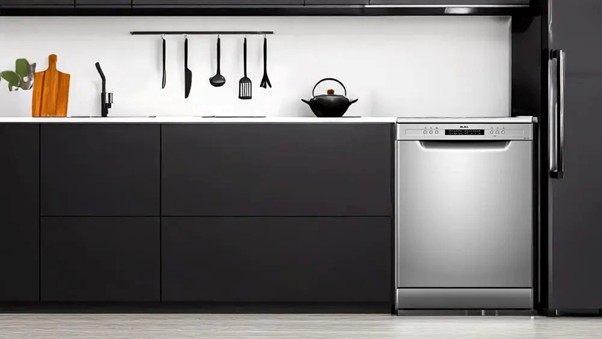
Built-in dishwashers have become a staple in modern kitchens, simplifying daily clean-up while blending seamlessly into your cabinetry. When chosen carefully, they help save space, time, water, and energy.
With the constant influx of new models, identifying which appliances are genuinely productive and worth the investment can be challenging.
This complete guide will help you understand the key factors that define dishwasher efficiency, the features that matter most, and how to compare models so you can make a smart and informed choice.
What Makes a Built-in Dishwasher Efficient
An efficient built-in dishwasher delivers strong cleaning results while using water and energy responsibly. It combines smart wash programmes, durable components, and consistent performance to ensure reliable operation.
Below are the four most important factors to keep in mind:
1. Energy Consumption Levels
By using improved heating and drying mechanisms, energy-efficient dishwashers minimise electricity consumption. Certifications like Energy Star indicate that the model meets official efficiency requirements.
2. Water Usage Per Cycle
Modern dishwashers typically use 3 to 5 gallons of water per cycle, which is significantly less than hand washing. Look into models with intuitive sensors that detect soil levels and automatically adjust water usage for optimal cleaning.
3. Cleaning Technology
Advanced dishwashers are equipped with multiple spray arms, rotating nozzles, sensor-based wash cycles, and high-performing filtration systems to deliver thorough, consistent cleaning results.
4. Quiet Operation
Quiet appliances enhance everyday comfort by running discreetly in the background without disrupting conversations, work, or relaxation. Choose built-in dishwashers that operate between 40 and 50 decibels, as this range typically indicates quality insulation, smooth motor performance, and thoughtful overall design.
What to Consider When Comparing Built-in Dishwasher Models
Built-in dishwashers are not created equally. The following are practical considerations that will help you evaluate the design and capability of various models.
1. Wash Programmes
A wide range of wash programmes does not always guarantee better results. What matters is that you choose a built-in dishwasher that can clean the types of dishes and utensils you normally use and handle how soiled they usually get.
Below are the core functionalities worth looking into:
- Quick wash cycles for lightly soiled dishes or when time is limited
- Eco mode to reduce water and energy consumption during regular washes
- Heavy-duty cycles designed for pots, pans, and heavily soiled items
- Hygiene cycle uses higher water temperatures to effectively kill bacteria or germs
- Sensor-based cycles that adjust wash settings automatically based on soil levels
2. Tub Material
Stainless steel tubs are usually more durable, resist odors, and dry dishes more effectively. Plastic tubs are more affordable but may not be as long lasting.
3. Rack Adjustability
Adjustable or foldable racks allow you to load more dishes efficiently without overcrowding. This feature is especially useful for large pots, baking pans, and tall glasses.
4. Drying System
An effective drying system is essential for ensuring dishes come out ready to use. It is especially important in built-in dishwashers, as enclosed cabinetry requires effective moisture control.
Check for the following features:
- Automatic steam release at the end of the cycle to minimise moisture build-up
- Heated drying options for faster, more consistent results with heavier loads
- Venting systems that improve airflow and reduce humidity inside the unit
5. Smart Home Compatibility
Built-in dishwashers with smart home functionality allow you to monitor wash cycles, receive maintenance alerts, or control them remotely through mobile app or voice command. These connected features add everyday convenience and efficiency.
Tips to Select Dishwashers for Your Kitchen
1. Measure Your Space
The last thing anyone wants is a built-in dishwasher that’s too large or awkwardly undersized. Always check the exact width, height, and depth of your cabinet opening to ensure a seamless fit within your kitchen layout. Most built-in dishwashers are 24 inches wide, though compact 18-inch models are available for smaller kitchens.
2. Know Your Noise Tolerance
Consider how quiet your dishwasher needs to be, especially in open-plan kitchens where sound travels more easily. Noise levels also matter if you plan to run cycles in the evenings, during work-from-home hours, or if you have newborns or light sleepers at home.
3. Match Features to Your Lifestyle
When selecting any appliance, think about how it supports your everyday habits. For built-in dishwashers, push-pull drawers, flexible rack layouts, and specialised zones can make loading easier and more efficient. Look for user-friendly models that suit your cooking and hosting patterns.
4. Set a Realistic Budget
Built-in dishwashers are a long-term investment, so it’s important to balance upfront cost with reliability and build quality. Focus on models known for durable components, efficient operation, and solid warranty support rather than paying extra for features you may rarely use. A well-made dishwasher within your budget will deliver consistent results and better value over time, and spare you from unnecessary repairs.
Also Read: How to Pick the Right Artwork Size for Your Space
Maintenance of Built-in Dishwashers
As with all appliances, proper maintenance is crucial to continue operating efficiently.
Follow these simple steps to take care of and extend the lifespan of your built-in dishwasher:
- Clean the filter monthly to prevent food build-up and maintain water flow
- Run a dishwasher cleaner once a month to remove grease, limescale, and odours
- Check spray arms for blockages to ensure even water distribution
- Practise correct loading habits to avoid obstructions and improve overall cleaning efficiency
Conclusion
Choosing a built-in dishwasher isn’t just about finding one that fits your kitchen cabinets. It’s about selecting a model that matches how you cook, clean, and use your kitchen every day. By paying attention to factors such as size, noise level, interior layout, drying method, and smart functions, you can decide on the best dishwasher for your home that works efficiently without adding unnecessary complexity. Maintenance also plays an important role in long-term performance.
When you choose the right built-in dishwasher and take care of it properly, it becomes a reliable part of your kitchen, saving time, reducing water and energy use, and making daily clean-up easier for years to come.
If you want to know more about How to Choose the Right Bathroom Designer for a Functional and Stylish Space, then visit our Blog category.