
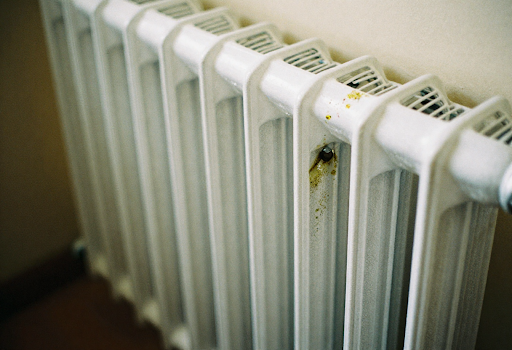
In the UK, keeping our homes warm during the often chilly months is essential, and radiators play a crucial role in maintaining a comfortable living environment. However, like any household system, radiators are susceptible to various issues that can affect their performance and efficiency. Understanding common radiator problems and how to prevent them can save you time, money, and the inconvenience of unexpected heating failures.
1. Cold Spots
One of the most common issues homeowners encounter with radiators is cold spots. These are areas on the radiator that remain unheated while the rest is warm. This problem is typically caused by trapped air inside the radiator, preventing hot water from circulating properly.
Prevention: To avoid cold spots, regularly bleed your radiators to release any trapped air. This is a straightforward process that involves using a radiator key to open the valve at the top of the radiator until water starts to trickle out. Remember to have a cloth or towel ready to catch any drips. Regular bleeding ensures maximum efficiency and warmth.
2. Sludge Build-up
Over time, rust, limescale, and other debris can accumulate at the bottom of your radiator, forming a thick sludge. This build-up not only reduces heat efficiency but can also lead to long-term damage if left unaddressed.
Prevention: Power flushing is an effective way to clean out sludge from your radiators. It’s advisable to have your system flushed every five to six years to maintain optimal performance. Additionally, installing a magnetic filter can help capture rust particles and prevent them from circulating in your heating system.
3. Uneven Heating
Uneven heating is another common radiator issue. You may find that some radiators are hot while others remain lukewarm, despite the heating system being turned on fully.
Prevention: To tackle uneven heating, it’s important to balance your radiators. This involves adjusting the valves to distribute hot water evenly throughout your home. You might need to call a professional to assist with this if you are not familiar with the process.
4. Noisy Radiators
Noises such as banging, gurgling, or whistling emanating from your radiators can be a sign of air trapped in the pipes, a poorly adjusted valve, or even a build-up of limescale.
Prevention: Regular bleeding of your radiators can resolve air blockages. Furthermore, making sure all the valves are correctly adjusted and checking for limescale or rust patches can mitigate these noises. In some cases, it might be necessary to call in a professional to address persistent noise issues.
5. Radiator Leaks
Leaks are always a cause for concern as they can lead to water damage and reduced heating efficiency. Leaks can occur due to corrosion or worn-out radiator components such as valves or pipe joints.
Prevention: Regularly inspect your radiators and pipework for any signs of corrosion or water seeping. Replace worn-out parts promptly, and consider applying a rust-inhibiting product to the inside of your radiators to help prevent corrosion.
Apart from that, if you want to know more about WeMobile Home Parks vs Private Land: What’s Actually Cheaper in the Long Run then visit our Blog category.